








The hardest clients to get are the first five. After that, referrals and reputation start doing the heavy lifting. Before that, you are selling trust without a track record, which feels impossible until you realize that every working freelancer started exactly where you are now.
Getting those first clients is not about being the best WordPress developer in your city. It is about being visible, specific, and easy to say yes to. This guide is a practical plan: who to contact first, what to show them, what to say, and how to turn one project into the next four.
Why “Build It and They Will Come” Fails
Most new freelancers spend their first month perfecting a personal website nobody visits, then wonder why the inbox is empty. A beautiful portfolio site with no traffic is a billboard in a desert. Client acquisition is an active sport, especially at the start.
The uncomfortable truth: for your first clients, outreach beats marketing. Content marketing, SEO, and social audiences compound over years, and you should start them, but they will not feed you this quarter. Direct, personal outreach to real humans with real website problems will. Plan to spend at least half your working time on getting clients until your pipeline is full, then you can rebalance toward delivery.
Start With Your Warm Network
Your first clients are almost certainly people who already know you, or one introduction away. Former colleagues, classmates, local business owners you patronize, community groups you belong to. These people do not need convincing that you are competent; they need to know you are available.
Make a list of fifty names. Then contact them with a simple, specific message: what you do, who it is for, and one concrete offer. “I build WordPress websites for local service businesses. I’m taking on two projects this month, including a free homepage mockup so you can see the direction before committing.” Specific beats clever. A low-risk first step, like a paid audit or a mockup, converts far better than “let me know if you need a website sometime.”
The local advantage
Local businesses are the most underrated first-client source. They prefer working with someone nearby, they decide fast, and their needs are refreshingly standard: a credible site, contact forms, maps, and basic local visibility. Walk into businesses with outdated sites, or email them a short video showing exactly what you would fix. Tangible beats theoretical every time.
The Portfolio That Wins Work (Even With Zero Clients)
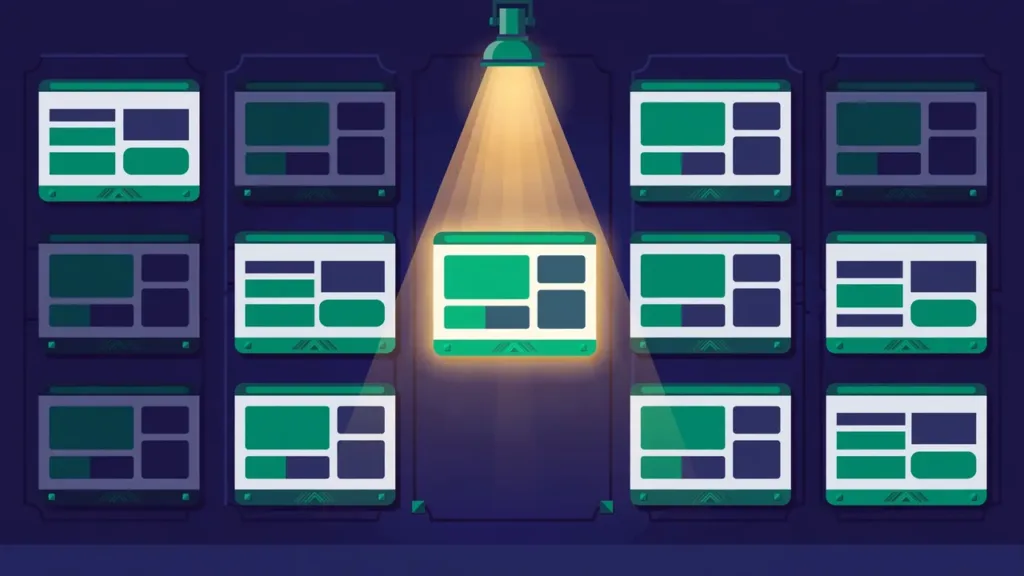
“I can’t get clients without a portfolio, and I can’t build a portfolio without clients” is a solvable loop. You do not need paying clients to have portfolio pieces. You need finished work that demonstrates outcomes.
- Build two or three spec projects for fictional businesses in niches you want to serve. Make them complete: real copy, real images, contact forms, mobile polish.
- Do one discounted or free project for a real organization, like a nonprofit or a friend’s business, in exchange for a testimonial and the right to show the work. One real project with a real testimonial outweighs five spec pieces.
- Document the process, not just the result. Before-and-after screenshots, the problems you solved, and the decisions you made. Clients buy thinking, not pixels.
- Niche the presentation: three restaurant sites convince a restaurant owner faster than one restaurant, one law firm, and one gym.
Quality over quantity, always. Three excellent pieces beat twelve mediocre ones, because clients extrapolate: they assume everything you do looks like the best thing you show.
Where Clients Actually Look for WordPress Help
Meet clients where they already search. Beyond your warm network:
- Freelance marketplaces: competitive and price-pressured, but they solve the trust problem for beginners through reviews. Use them to collect your first testimonials, then graduate clients to direct relationships.
- Local business communities: chambers of commerce, business meetups, and trade groups. Showing up consistently for three months beats any ad campaign.
- Your existing skills communities: if you came from design, marketing, or IT, your former peers constantly meet people who need websites.
- Job boards with freelance filters: many small companies post “contract WordPress help” rather than full-time roles.
Pick two channels and work them deeply rather than sprinkling effort across six. Depth creates the repetition that turns a channel from an experiment into a pipeline.
The Outreach Message That Gets Replies
Most outreach fails because it is about the sender. Flip it: make every message about the recipient’s specific situation. The structure that works:
- One specific observation: “I noticed your booking page doesn’t work on mobile.”
- The cost of inaction, briefly: “You’re probably losing weekend appointment requests.”
- Your relevant proof, one line: “I rebuild booking sites for local clinics; here’s one.”
- A tiny ask: “Worth a 15-minute call Thursday to see the fix?”
Keep it under 120 words. Personalize the first line for every single message; templates with a mail-merged name are how you get ignored. Follow up once after five to seven days, politely, because most replies come from the follow-up, not the first message.
Send ten genuinely personalized outreach messages a week. In a month you will have forty conversations started, and conversations are the raw material clients are made from.
Turning One Project Into Referrals
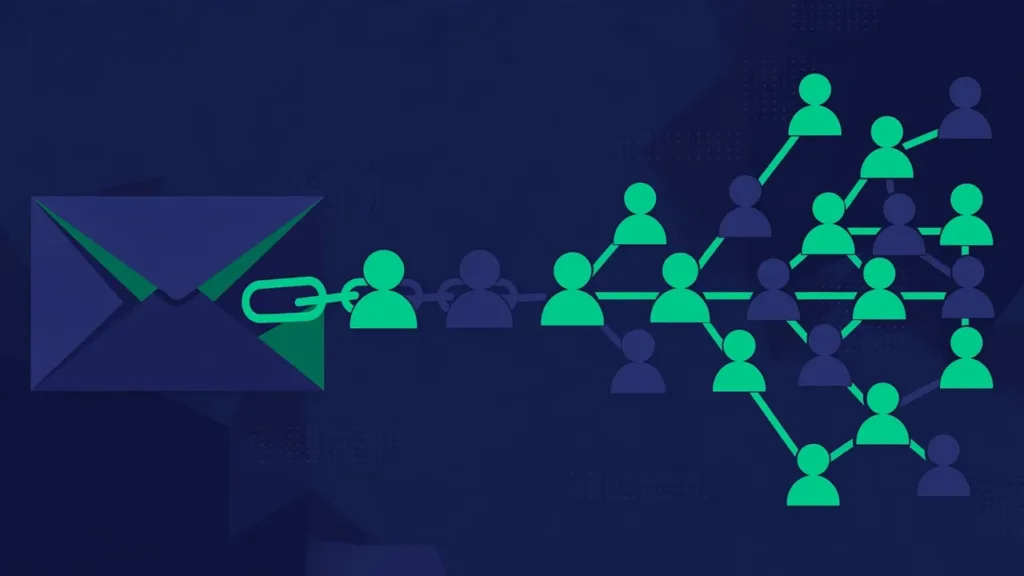
Client one is the seed of clients two through five if you engineer it. Do exceptional work, obviously, but also do the unglamorous things that generate referrals:
- Over-communicate: weekly updates, even short ones, make clients feel cared for and make you memorable.
- Ask for the testimonial at the peak: right after launch, when enthusiasm is highest, not three months later.
- Ask for referrals directly: “I’m taking on two more projects like yours next month. Who do you know that might need the same?” Clients rarely volunteer referrals unprompted; they give them gladly when asked.
- Stay in touch: a quarterly check-in email keeps you top of mind for years. Past clients are your warmest future leads.
Consider a simple referral thank-you: a discount on future work or a small gift. It is not a bribe; it is acknowledging that a referral is a gift of trust, and trust deserves recognition.
Your First-Client Action Plan
Here is your next thirty days, distilled:
- Days 1 to 7: finish two spec portfolio pieces and write your one-sentence positioning: “I build WordPress sites for [specific audience] that [specific outcome].”
- Days 8 to 14: list fifty warm contacts and message the first twenty with a specific, low-risk offer.
- Days 15 to 21: start ten personalized cold outreaches per week to local businesses with visible website problems.
- Days 22 to 30: follow up on everything, join one local business event, and publish your portfolio pieces where clients look.
Pricing Your First Projects Without Regret
Beginners face a pricing trap: charge too little and you anchor yourself as the cheap option; charge full rates with no proof and you may never land project one. The way through is the discounted pilot: a clearly scoped first project at a reduced rate, explicitly framed as founding-client pricing.
The framing matters more than the discount. “My rate is X, but I’m offering three founding-client projects at a reduced rate in exchange for a testimonial and referrals” preserves your positioning while explaining the price. Put the full rate in writing next to the discounted one, so the client understands they received a deal, not your normal price. And set a hard limit: three discounted projects, then rates rise permanently.
Two rules protect you here. First, never discount without getting something: a testimonial, a case study, introductions, or a public review. A discount with no return is just undercharging. Second, never publish the discounted price anywhere; your site should show real rates from day one, because the internet remembers and future clients will find it.
By project four or five, the training wheels come off. You will have testimonials, a process, and actual data on how long things take. Raise to full rates and never look back; the clients who only wanted cheap were never going to sustain you anyway.
The first five clients come from volume plus specificity: enough conversations, aimed precisely enough. Nobody is coming to discover you. Go and be discovered, one genuine message at a time, and the sixth client will arrive through a channel you did not have to push.